
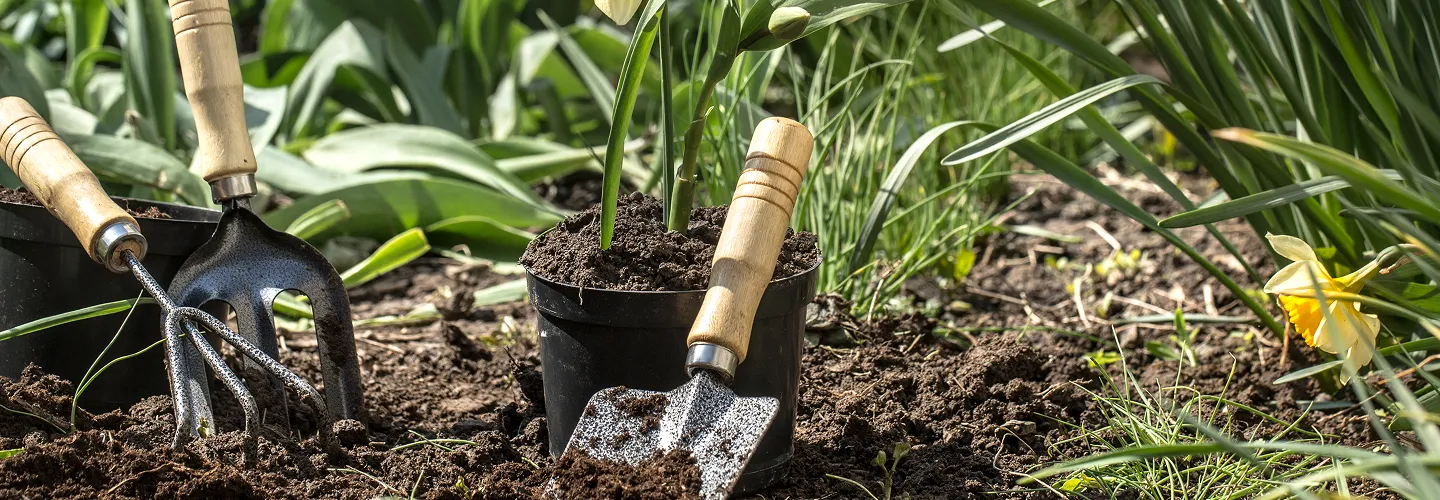
North Branford Dethatching Lawn Services
Choose our dethatching lawn services for a healthier, greener yard—our experienced team removes thatch buildup to promote stronger roots, better water absorption, and a lush, vibrant lawn you’ll love.
Get a Free QuoteOur North Branford Landscaping & Yard Care Services
When to Schedule Dethatching Lawn in North Branford, Connecticut – Seasonal Guide
In North Branford, Connecticut, the best time to schedule lawn dethatching is typically in early spring or early fall. These periods align with the region’s moderate temperatures and increased rainfall, which help your lawn recover quickly after dethatching. Local neighborhoods like Totoket and areas near Lake Gaillard often experience heavy shade and higher humidity, making timing especially important to prevent stress on your turf. It’s crucial to avoid dethatching during the peak summer heat or late fall, as the risk of drought and early frost can hinder lawn recovery.
North Branford’s unique landscape features, such as clay-heavy soils and varying terrain from the Branford Supply Ponds to the rolling hills near Northford, also play a role in determining the optimal dethatching window. Homeowners should consider recent weather trends, including precipitation levels and frost dates, which can be tracked through resources like the Sudbury municipal site. By tailoring your dethatching schedule to these local factors, you’ll promote a healthier, more resilient lawn throughout the growing season.
Local Factors to Consider for Dethatching Lawn in North Branford
- Tree density and shade coverage, especially in wooded neighborhoods
- Soil type (clay, loam, or sandy soils)
- Recent precipitation and drought risk
- Frost dates and seasonal temperature shifts
- Terrain and drainage patterns
- Municipal restrictions or guidelines on lawn care services
Benefits of Dethatching Lawn in North Branford

Improved Lawn Health
Enhanced Grass Growth
Better Water Absorption
Increased Nutrient Uptake
Reduced Pest and Disease Risk
Boosted Curb Appeal
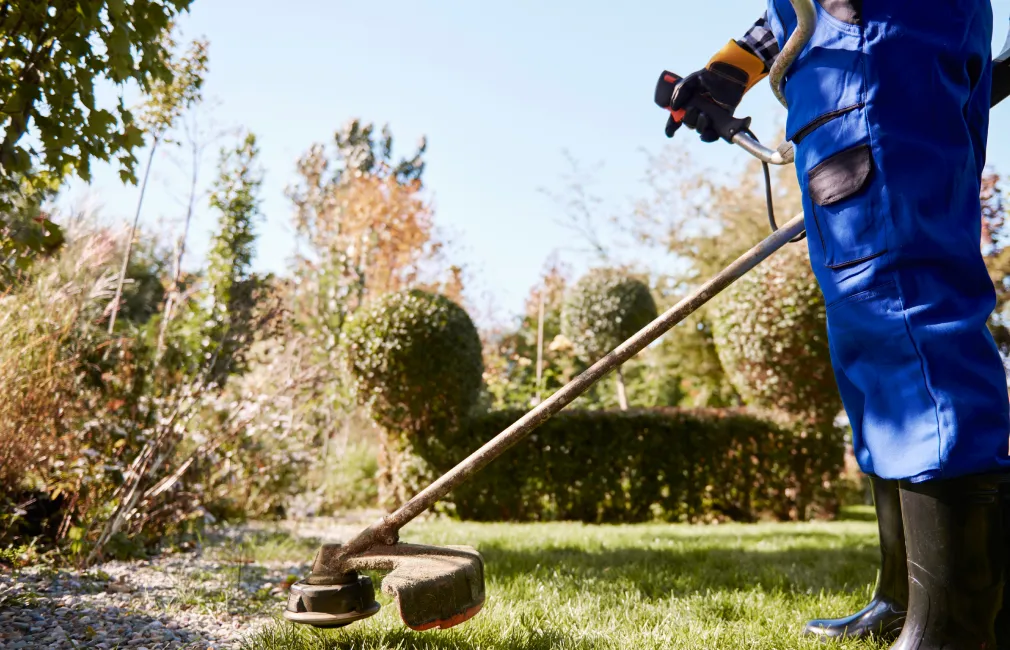
North Branford Dethatching Lawn Types

Cool-Season Grasses
-
Warm-Season Grasses
-
Fescue Lawns
-
Kentucky Bluegrass Lawns
-
Perennial Ryegrass Lawns
-
Zoysia Grass Lawns
-
Bermuda Grass Lawns
Our Dethatching Lawn Process
Lawn Evaluation
Thatch Depth Measurement
Dethatching Equipment Setup
Thatch Removal
Cleanup and Disposal
Why Choose North Branford Landscape Services

-
North Branford Homeowners Trust Us
-
Expert Lawn Maintenance
-
Reliable Seasonal Cleanup
-
Competitive Pricing
-
Professional Team
-
Satisfaction Guarantee
-
Personalized Service
Dethatching Lawn Practices for North Branford’s Glacial Till and Drainage Patterns
North Branford’s predominant soils, as identified by the USDA Web Soil Survey, are Inceptisols and Ultisols formed from glacial till, often featuring a stony, moderately acidic profile (pH 5.5-6.5) and variable drainage. These conditions can lead to excessive thatch accumulation, especially in compacted or poorly drained areas. Dethatching should be performed to a depth of 0.5-1 inch, with special attention to areas where the seasonal water table rises within 12-18 inches of the surface. Soil testing is recommended prior to dethatching, with services available through UConn Extension (typical cost: $15-25). For optimal results:
- Schedule dethatching every 2-3 years for clay-rich or compacted soils
- Incorporate 2-3 inches of compost post-dethatching to improve organic matter
- Avoid dethatching when soils are saturated to prevent compaction
Municipal Coordination: Yard Waste Collection and Dethatching Debris in North Branford
Proper disposal of dethatching debris is regulated by North Branford’s Department of Public Works. Yard waste collection occurs weekly on Thursdays from April through November. Residents must use biodegradable paper bags or reusable bins (32-gallon maximum); plastic bags and branches over 4 inches in diameter are prohibited. Accepted materials include grass clippings, thatch, and brush under 4 feet in length. Debris left curbside outside of collection days may result in code enforcement action. For large volumes, the town transfer station is available during posted hours. Equipment operation for dethatching is permitted:
- Monday-Friday: 7:00 AM - 7:00 PM
- Saturday: 8:00 AM - 6:00 PM
- Sunday and holidays: Prohibited
North Branford Department of Public Works
1599 Foxon Road, North Branford, CT 06471
Phone: (203) 484-1555
Official Website: North Branford Department of Public Works
Environmental Compliance: Wetland Buffers and Stormwater Protection in Dethatching Operations
Dethatching near North Branford’s wetlands, including areas adjacent to the Farm River and protected conservation lands, must comply with local and state environmental regulations. The Connecticut Environmental Protection Act and the town’s Conservation and Inland Wetlands Commission require a minimum 25-foot no-disturbance buffer from delineated wetlands. The MS4 permit program prohibits the disposal of dethatching debris or clippings into storm drains, in accordance with the Clean Water Act. Key compliance steps include:
- Maintain 25-foot buffer from wetlands and watercourses
- Prevent debris from entering storm drains or ditches
- Use silt barriers if dethatching on slopes near sensitive areas
North Branford Conservation and Inland Wetlands Commission
909 Foxon Road, North Branford, CT 06471
Phone: (203) 484-6013
Official Website: North Branford Conservation and Inland Wetlands Commission
Seasonal Timing and Weather Considerations for Dethatching Lawns in North Branford
North Branford is located in USDA Hardiness Zone 6b, with cool-season turfgrasses such as Kentucky bluegrass and perennial ryegrass predominating. The optimal window for dethatching is late April through mid-May, when soil temperatures reach 50-55°F and turf is actively growing. Avoid dethatching during summer heat (June-August) or when soil is frozen or saturated. For weather monitoring, consult the National Weather Service New York, NY office. Recommended timing:
- Spring: April 15 – May 20 (soil temp 50-65°F)
- Fall: September 1 – October 10 (before first frost)
- Frequency: Every 2-3 years for most lawns; annually for high-traffic or compacted sites
Professional Standards and Safety Protocols for Dethatching Equipment in North Branford
All dethatching operations in North Branford must adhere to municipal noise ordinances and professional safety standards. Equipment must be commercial-grade, with blade depth set to remove 0.5-1 inch of thatch without damaging soil. Operators are required to use:
- Eye protection: ANSI Z87.1 safety glasses
- Hearing protection: Earmuffs or plugs for 85+ dB noise
- Footwear: Steel-toed, non-slip boots
- Gloves: Cut-resistant for handling debris Maintain a 15-foot clearance from overhead utilities and public sidewalks. Equipment operation outside permitted hours (see above) is subject to enforcement by the town. For additional safety and code requirements:
North Branford Building Department
909 Foxon Road, North Branford, CT 06471
Phone: (203) 484-6008
Official Website: North Branford Building Department
What Neighborhoods Do We Serve Throughout North Branford, CT?
- Totoket: Characterized by mature tree cover and glacial till soils with moderate drainage, requiring careful dethatching to prevent compaction and protect nearby wetlands.
- Northford: Features larger lots and proximity to the Farm River, with periodic flooding and clay-rich soils that benefit from regular dethatching and compost amendment.
- Sea Hill: Contains newer developments with compacted fill soils and limited organic matter, making dethatching essential for turf health and stormwater infiltration.
- Augerville: Includes historic properties and narrow streets, where dethatching must be coordinated to avoid traffic disruptions and comply with local noise ordinances.
- Maltby: Located near conservation areas and wetlands, necessitating strict adherence to buffer requirements and debris containment during dethatching.
- Lake Gaillard Area: Adjacent to a major reservoir, this area requires heightened environmental compliance, including prevention of runoff and debris entry into water bodies.
- Mill Road District: Features sloped sites and mixed soil textures, presenting challenges for equipment access and requiring erosion control measures during dethatching.